


Imagine a man so frail as a boy that doctors feared he wouldn’t survive to adulthood. Yet one day he charges up a hill under enemy fire, leads one of the most colourful regiments in American military history, becomes the youngest president the nation has ever had, and still finds time to write more than thirty books while championing conservation. That was Theodore Roosevelt, and here’s what we can learn from him.
Build Your Body and Your Will
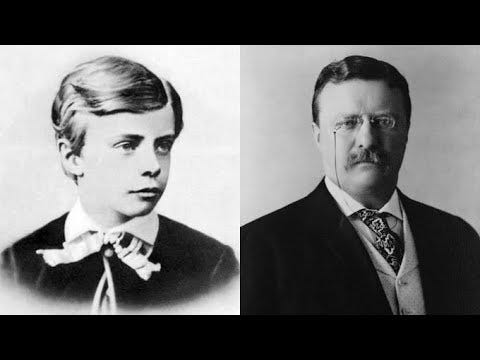
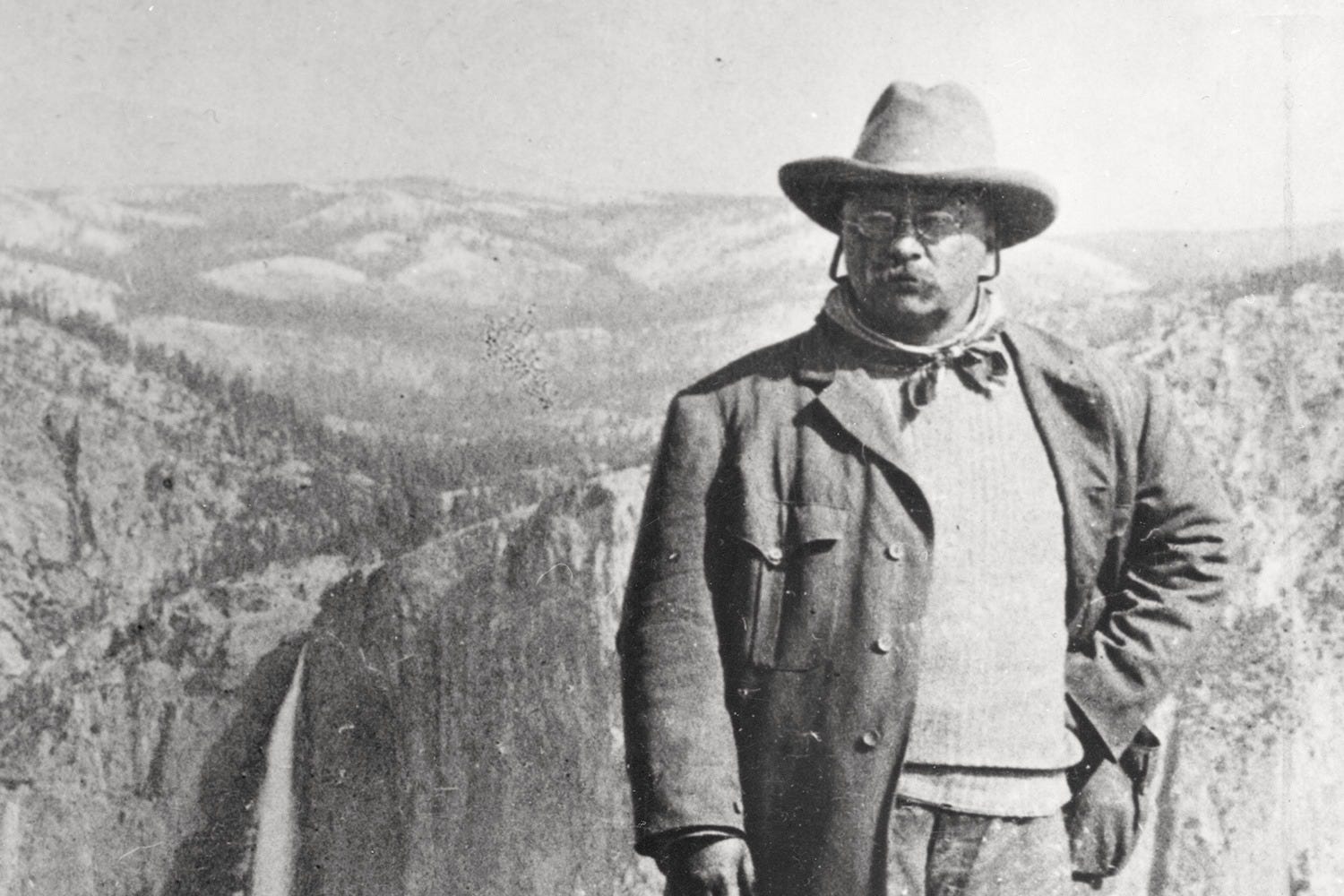
Roosevelt was born on October 27, 1858, a sickly child plagued by severe asthma. He could barely breathe some nights. His father’s advice was tough and on point: “You have the mind, but you have not the body. You must make your body.” Young Teedie (as he was called) took it to heart. He embraced boxing, wrestling, weightlifting, hiking, and riding. He transformed himself into a rugged outdoorsman who once chased outlaws in the Dakota Badlands and later led the Rough Riders.
The lesson is simple: a gentleman does not accept limitations. He improves what he can control. Today, that might mean consistent gym work, cold plunges, or simply refusing the couch when you have time for a run. Roosevelt called it “the strenuous life” - not endless grind for its own sake, but the deliberate choice to test yourself so you’re ready when it matters.
“I have never in my life envied a human being who led an easy life,” he once said. “I have envied a great many people who led difficult lives and led them well.”
Strength without direction is just noise.
Roosevelt paired physical rigour with intellectual discipline. He read passionately, sometimes a book a day, and wrote histories, biographies, and naturalist accounts that are still studied today. A gentleman’s mind needs sharpening as much as his body.
Courage in the Arena, Not the Bleachers
One of Roosevelt’s most famous passages, delivered in a 1910 speech at the Sorbonne, nails the difference between spectators and participants:
“It is not the critic who counts; not the man who points out how the strong man stumbles, or where the doer of deeds could have done them better. The credit belongs to the man who is actually in the arena, whose face is marred by dust and sweat and blood…”
He lived it.
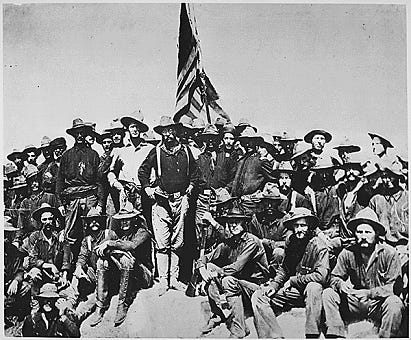
After losing his mother and first wife on the same day in 1884, he grieved by heading west to ranch, hunt, and serve as a sheriff. He entered politics, cleaned up the corrupt New York police board, and, at age 39, charged into the Spanish-American War as a colonel. His Rough Riders - a mix of Ivy Leaguers, cowboys, and Native Americans - became legends after the assault on San Juan Hill.
For the modern gentleman, this means showing up. Whether it’s speaking up at a board meeting, defending someone who can’t defend themselves, or starting that business you’ve been dreaming about - get in the arena. Comfort is seductive, but Roosevelt warned that “never throughout history has a man who lived a life of ease left a name worth remembering.”
Strength and Decency Together
Roosevelt didn’t believe in brute force alone. In a 1903 address to the Holy Name Society, he made it clear:
“The future welfare of our nation depends upon the way in which we can combine in our men—in our young men—decency and strength… I desire to see in this country the decent men strong and the strong men decent.”
He despised the idea that being “tough” excused foul language, selfishness, or treating women poorly. He insisted a gentleman must be clean in speech and action, unselfish at home, and unwilling to oppress the weak. “Courtesy is as much a mark of a gentleman as courage,” he declared.
This balance is harder than it sounds. Many men today swing too far one way: either soft and agreeable to a fault, or “alpha” in a way that masks insecurity. Roosevelt rejected both. Be strong enough to lead, decent enough to earn loyalty. Treat your wife or partner with the same respect you’d show in public. Be the man younger guys look up to, not because you boast, but because your life demonstrates integrity.
Lead by Example and Serve Something Bigger
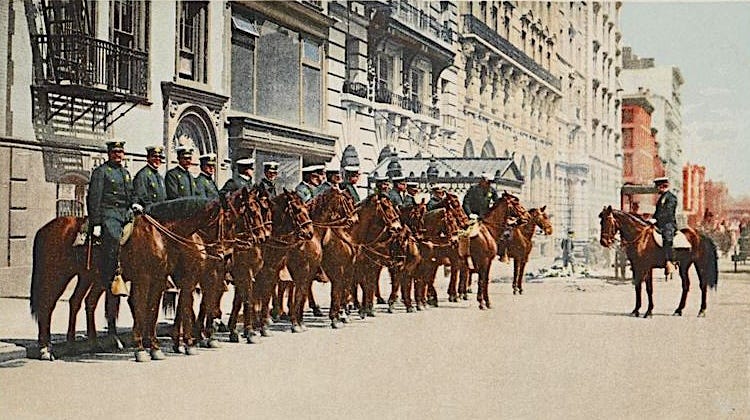
As police commissioner, governor, and president, Roosevelt fought corruption even when it cost him politically. He busted trusts, created national parks, and mediated the Russo-Japanese War (earning a Nobel Peace Prize). He believed character mattered more than brilliance.
“Bodily vigour is good, and vigour of intellect is even better,” he said, “but far above both is character.”
A gentleman understands that his personal development serves a larger purpose: family, community, and country. Roosevelt pushed young men to participate in public life, to value action over endless criticism, and to cultivate “uprightness and tolerance and gentleness” alongside “courage, resolution and hardihood.”
In practice, this could mean mentoring someone, volunteering your skills, or simply refusing to stay silent when you see wrongdoing. It means reading to your kids, keeping your word in all things, and carrying yourself with confidence rather than performative swagger.
The Strenuous Life in Modern Times
You don’t need to hunt grizzlies or charge up hills to apply these principles. Start small but consistent:
Train your body regularly: strength, endurance, skill.
Read deeply and widely; conversation should reveal substance.
Speak and act with courtesy.
Take calculated risks.
Balance toughness with kindness. Protect those who need it.
Roosevelt once told boys:
“Let him be unselfish and gentle, as well as strong and brave… courtesy, politeness, and good manners must not be neglected.”
He wasn’t perfect. He had flaws: impulsiveness and, sometimes, a bellicose streak. But he never stopped striving. That restlessness, that refusal to get by, is part of what makes him worth studying.
Roosevelt reminds us that the gentleman’s path is harder - and far more rewarding. It’s dust and sweat in the arena, decency at home, strength in reserve, and a life spent building something that outlasts you.
So ask yourself:
Are you making your body?
Are you in the arena?
Are you combining strength with decency?
If Theodore Roosevelt could turn a frail, asthmatic boy into one of the most dynamic figures in history, the rest of us have no excuse for mediocrity. The strenuous life awaits.
Carry on, gentlemen.
It's all action.
Get off the couch.
The modern world tells men to optimize for comfort. Roosevelt reminds men to prepare for responsibility.